Fix, Share, Renew: Building a Circular UK Together

Today we dive into community repair and the Right to Repair across the United Kingdom, exploring how these movements advance a truly circular economy. Discover how local volunteers, practical legislation, and smarter product design keep goods in use, reduce waste, and build skills. Expect real stories, step-by-step guidance, and ways to get involved, whether you are fixing your first kettle, shaping policy, or inspiring neighbours to choose repair over replacement.

Why Repair Matters for a Circular United Kingdom

Repair extends product lifespans, slashes material demand, and strengthens household budgets while cutting emissions from manufacturing and transport. Across the United Kingdom, repairing electronics, appliances, and bicycles unlocks local skills and jobs, builds resilience in communities, and turns climate ambition into everyday action that people can see, share, and repeat.

Inside a Saturday Fixing Meetup

Walk into a Saturday session in Bristol, Glasgow, or Leeds and you’ll hear laughter, multimeters beeping, and kettles boiling. Volunteers pair curiosity with kindness, documenting fixes, sharing tea, and celebrating partial successes. The room becomes a classroom, workshop, and meeting place where confidence quietly grows alongside working appliances.

Welcoming People, Not Just Broken Things

First-time visitors often arrive apologetic, clutching a reluctant toaster or lamp. Greeters explain how triage works, set expectations, and invite owners to participate. Sitting beside a volunteer, people learn safe disassembly, discover surprisingly simple faults, and leave with practical skills, a repaired object, and genuine community connection.

Tools, Skills, and Tea

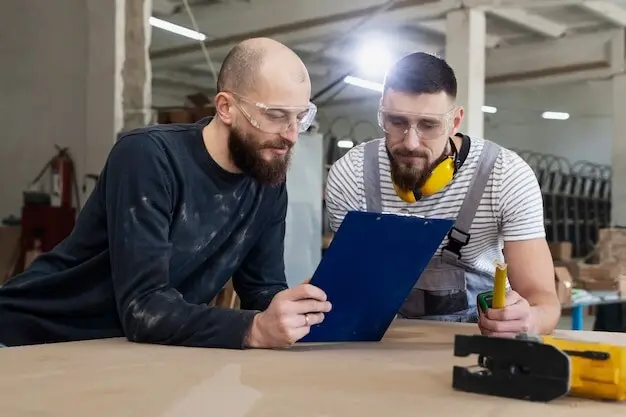
Benches hold torx drivers, spudgers, soldering stations, glue, and safety kits. Mentors narrate each step, from testing fuses to flashing firmware, turning opaque processes into shared knowledge. Tea breaks surface ideas and stories, helping newcomers relax while seasoned fixers compare notes, refine techniques, and celebrate clever, low-cost solutions.

Safety and Success Records

Clear protocols protect people and devices. Sign-in forms track ownership and consent, PAT testing checks for hazards, and repair logs capture learning. Over time, organisers build evidence: weights diverted from landfill, failure modes by brand, and photographs that inspire funders, councils, and neighbours to support regular, well-resourced events.

Rules, Rights, and Realities in the UK

Recent regulations improved access to spare parts and documentation for certain household appliances, nudging manufacturers toward durability and serviceability. Yet many provisions limit parts to professional repairers, and smartphones, tablets, and laptops remain inconsistently covered. Clarifying standards, strengthening consumer rights, and addressing software locks would unlock broader benefits quickly.

Designing for Repair: Business and Policy Opportunities

Repairability can differentiate brands, reduce warranty costs, and unlock service revenue while aligning with environmental goals. Clear labeling, modular design, and parts availability make aftercare predictable. Policymakers can reward durability through standards and procurement, creating fair competition where long-lasting, maintainable products earn trust and market share across communities.

Community Action That Moves Markets

When thousands of small fixes become visible, they influence design and policy. Public repair days at universities, libraries, and markets show demand for maintainable products. Sharing results with retailers and councillors builds momentum, proving that citizens value longevity, fair pricing, and respectful service ecosystems that keep goods useful.

Find Your People

Begin with neighbours, makerspaces, climate groups, and local Facebook or community forums. A small core team with varied skills—electronics, sewing, communications, logistics—creates balance. Define shared values, agree on safety practices, and set realistic rhythms so volunteers avoid burnout while residents know when help is available.

Set Up Your First Event

Pick an accessible venue near public transport, advertise with honest messaging, and prepare triage forms. Plan clear zones for intake, diagnostics, and testing. Provide refreshments, name badges, and signage. Invite local councillors and press to witness solutions, highlight needs, and celebrate skilled volunteers creating tangible, uplifting results.

Keep Momentum and Funding

Track outcomes, thank volunteers publicly, and celebrate learning as well as finished fixes. Mix skill-shares with open days to welcome newcomers. Apply for small grants, approach ethical sponsors, and encourage donations. Transparency about costs and impact builds trust, making future events easier to plan and sustain.

What’s Next: Ambition for a Nationwide Repair Culture

Momentum is building, from Parliament discussions to bustling weekend events. The next leap links policy, design, and grassroots practice, ensuring parts, tools, and information are accessible for more products. Share your experiences, subscribe for updates, and help shape a fairer, circular economy grounded in care and competence.

Policy Wishlist for the Coming Years

Strengthen consumer access to spares and manuals, extend rules to smartphones and laptops, and require long-term software support. Encourage circular procurement in public services, reward modular design, and enable independent diagnostics. These steps align climate targets with household realities, making repair the easiest, most trusted option.

Technology Trends That Help Repair

Standardised screws, modular batteries, and printable gaskets reduce barriers. Open-source repair guides, device twins, and affordable microscopes make precision work feasible in community spaces. Remote diagnostics and reuse marketplaces allow small towns to benefit from urban expertise, ensuring equitable access to knowledge, components, and credible support.
Faritelipexisavivanipalo
Privacy Overview

This website uses cookies so that we can provide you with the best user experience possible. Cookie information is stored in your browser and performs functions such as recognising you when you return to our website and helping our team to understand which sections of the website you find most interesting and useful.