
Building Community Power Through Local Repair Partnerships

Across the United Kingdom, we explore partnership models connecting councils, libraries, and makerspaces to host lively Repair Days that keep items in use and community skills alive. Expect practical roles, light-touch agreements, funding routes, outreach tactics, safety practices, and repeatable workflows, distilled from real collaborations so your town can start confidently, include everyone, and build a circular culture one welcoming event at a time.

Aligning Missions Across Public Services and Maker Communities

Before soldering irons warm up, shared purpose matters. Councils seek waste reduction and inclusion, libraries champion learning and welcome, makerspaces nurture hands-on problem solving. Map overlapping goals, clarify boundaries, and turn complementary strengths into a dependable civic alliance that unlocks space, tools, volunteers, and trust.

Councils as Conveners and Enablers

Local authorities can open doors to venues, insurance guidance, waste streams, and communications channels. A supportive officer helps with risk assessments, safeguarding expectations, and signposting to reuse partners. In return, volunteers provide measurable diversion from disposal and visible community engagement that supports climate plans.
Libraries as Welcoming Civic Hubs

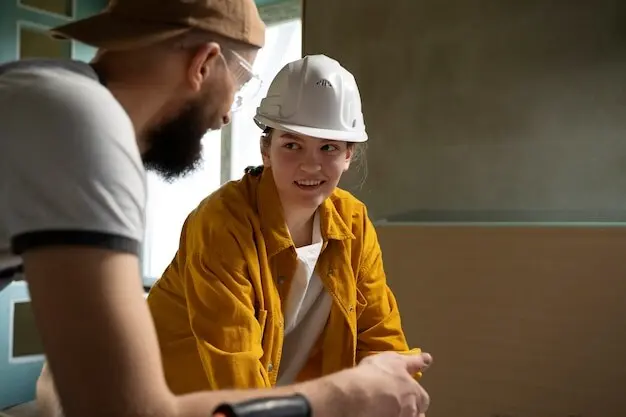
Branch libraries offer inclusive, accessible rooms, settled footfall, power points, and a culture of curiosity. Staff know local rhythms, promote quietly but effectively, and keep the atmosphere kind. Pair learning resources with fixers’ know‑how to turn visitors into co-creators who leave confident and inspired.

Makerspaces as Skill and Tool Engines

Community workshops contribute calibrated tools, repair benches, maker mentors, and a safety mindset. Clear rules, inductions, and supervision keep newcomers comfortable. When events move off-site, mobile kits and checklists preserve standards, while membership offers provide gentle pathways for attendees to continue learning and contribute back.
Agreements, Safety, and Trust Without Friction

Memoranda That Say Enough and No More

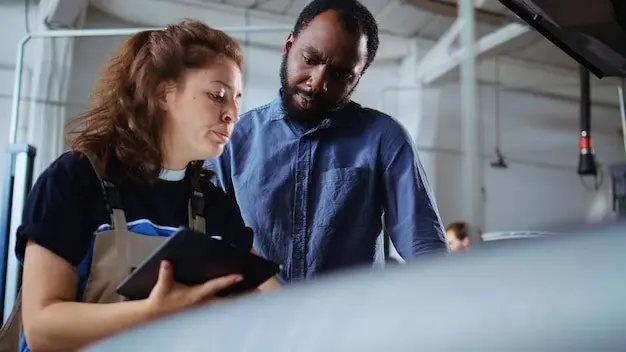
Aim for a concise memorandum between the council, the hosting library, and the makerspace or repair group. Define dates, access hours, cleaning, publicity approvals, disposal routes, and signage. Name points of contact and escalation so surprises become solvable hiccups, not stressful emergencies hampering community goodwill.

Insurance, Risk, and Sensible Safeguarding

Confirm public liability cover, agree on tool ownership, and document volunteer status. Use simple risk assessments covering trip hazards, sharp tools, hot elements, and electrical tests. For events welcoming young people, follow local safeguarding rules, DBS expectations, and clear sign-in supervision so inclusion remains safe, friendly, and confident.

Privacy, Consent, and Fair Use of Stories

Repair Days generate powerful images and anecdotes. Ask before photographing, offer opt-out stickers, and store sign-up details securely under GDPR. Share outcomes respectfully, focusing on learning and community benefit, not shaming broken items or owners. Trust grows when dignity and transparency guide every celebratory post.

Funding Paths and Resource Sharing That Scale

Many successful events blend tiny grants, venue waivers, donated refreshments, and sponsorship in kind. Map realistic costs for PAT testing, consumables, signage, accessibility aids, and coordinator time. Keep money transparent, ring‑fence for safety and inclusion, and celebrate small wins that cumulatively make ambitious calendars possible.

Operations That Welcome Everyone and Work First Time

Good operations make kindness feel effortless. Plan room flow, signage, and seating for wheelchairs, buggies, and quiet corners. Use friendly triage, safety checklists, and labelled stations. Prepare a mobile kit list so tools, spares, consent forms, and biscuits arrive together, on time, every time.

Spaces, Flow, and Accessibility by Default

Sketch a simple floorplan with registration, waiting, diagnostics, and repair benches. Provide step‑free access, clear aisles, good lighting, and hearing support where possible. Post plain‑English signs, include pronoun stickers, and offer a quiet table, making the hall feel safe for every neighbour’s first visit.

Intake, Expectations, and Honest Triage

Welcome people warmly, label items, and listen to stories. Explain that the goal is education, safety, and extending life, not free warranty service. Record outcomes: fixed, advised, parts needed, or beyond safe repair, and always share next steps and local reuse or recycling options.

Outreach That Brings New Neighbours to the Table

Repair Days thrive on diversity of people and objects. Blend council newsletters, library posters, school letters, and makerspace channels with door‑knocking and trusted community partners. Translate materials where helpful, and keep messaging optimistic, friendly, and specific about times, transport links, accessibility, and what to bring.

Measuring What Matters and Sharing the Learning

Numbers open doors, stories open hearts. Count attendees, fixes, weight diverted, and sign‑ups to future workshops, but also capture confidence gained, neighbours met, and skills shared. Publish a simple summary so partners celebrate progress and the next library or town feels ready to copy and adapt.

Designing a Low‑Risk First Step

Choose an easy‑access library room, limit bookings, and prioritise quick‑win categories like lamps and trousers. Invite observers from other departments. Document everything. A single joyful morning, safely run and well told, unlocks political support, budget lines, and queues of residents eager to help.

Seasonal Focus and Collaboration Cycles

Plan bicycle fixes before spring commutes, textiles before school uniform swaps, and small appliances ahead of winter energy bills. Align with council campaigns and library learning weeks. This cadence helps volunteers prepare skills and spares, while residents learn to expect and plan their participation.

Mapping Skills, Spares, and Sister Venues

Keep a living directory of fixers’ strengths, loanable tools, and friendly venues across the borough. When something tricky appears, you can redirect kindly or organise a pop‑up where skills live. A shared map turns scarcity into abundance by knitting together overlooked assets and neighbours.
Faritelipexisavivanipalo
Privacy Overview

This website uses cookies so that we can provide you with the best user experience possible. Cookie information is stored in your browser and performs functions such as recognising you when you return to our website and helping our team to understand which sections of the website you find most interesting and useful.